01
Sexual reproduction in algae
Pringsheim demonstrated that algae undergo genuine sexual processes and provided direct evidence of fertilization in living material.
Scientific Discoveries
Through patient observation and carefully designed experiments, Nathanael Pringsheim transformed algae from obscure organisms into key witnesses of reproduction, development, and cellular life.
Original Illustrations after Nathanael Pringsheim
These organisms were not incidental subjects. They were experimental systems through which Pringsheim investigated some of biology’s most fundamental processes.
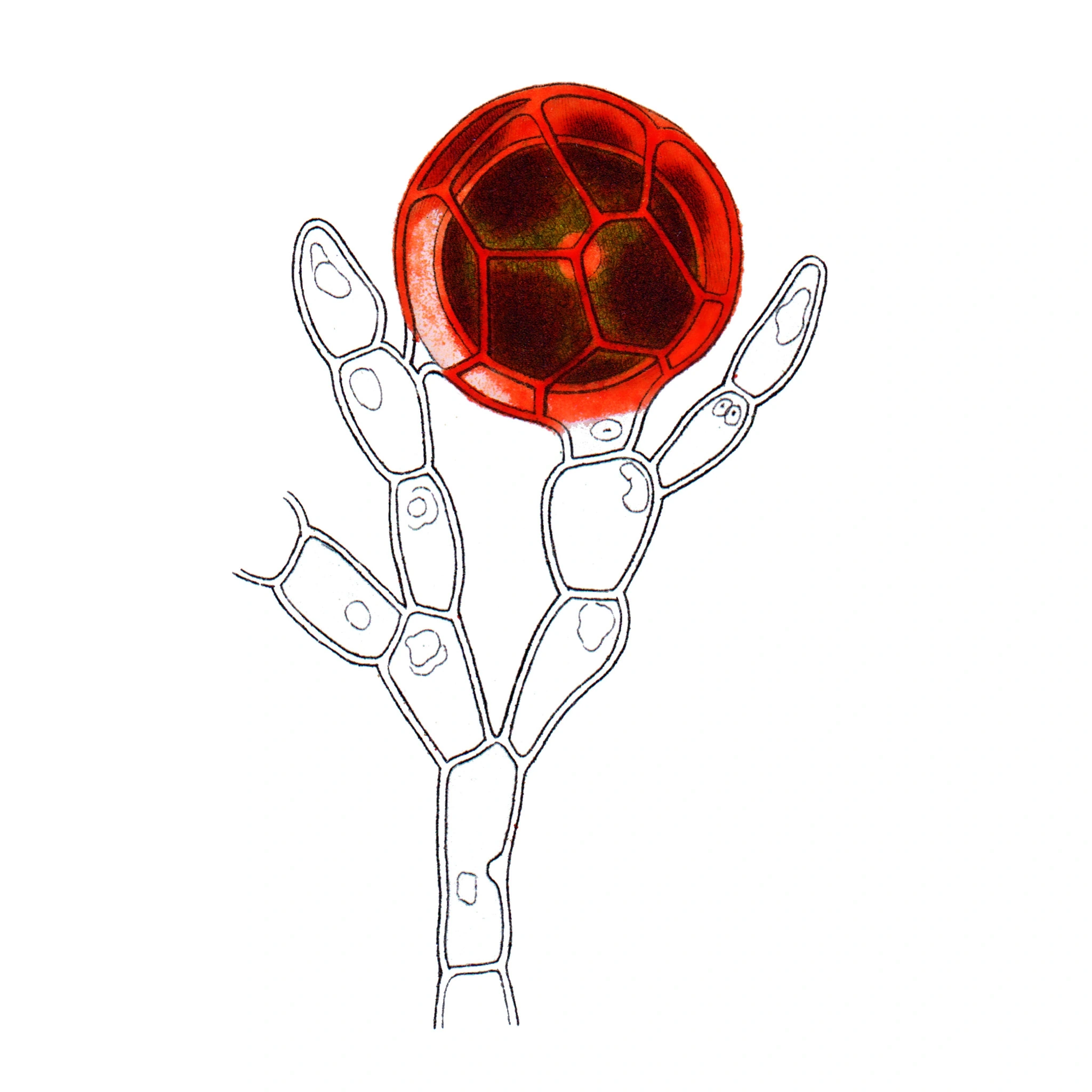
Coleochaete
Coleochaete became one of Pringsheim’s most important model organisms. Its complex development and reproductive structures suggested unexpected similarities between green algae and the earliest land plants.
His observations contributed to a broader understanding of evolutionary relationships and demonstrated how apparently simple organisms could illuminate the origins of plant form.
Vaucheria
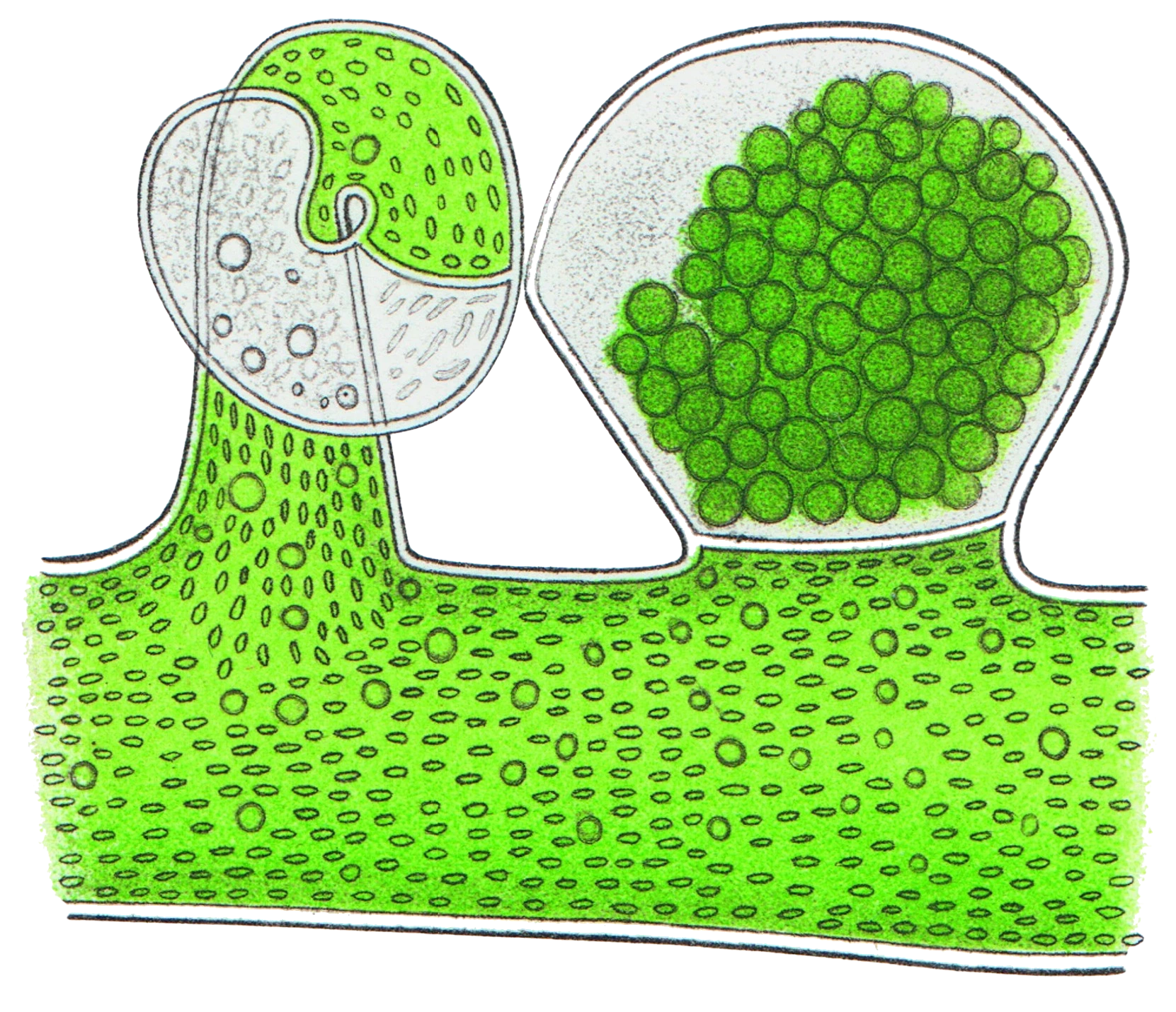
Working with Vaucheria, Pringsheim achieved the first direct observation of sexual fertilization in a living organism. By following the interaction of reproductive cells under the microscope, he transformed fertilization from an abstract concept into an observable biological process.
This discovery demonstrated the value of studying living material over time and established experimental microscopy as a decisive method in modern plant biology.
Hydrodictyon
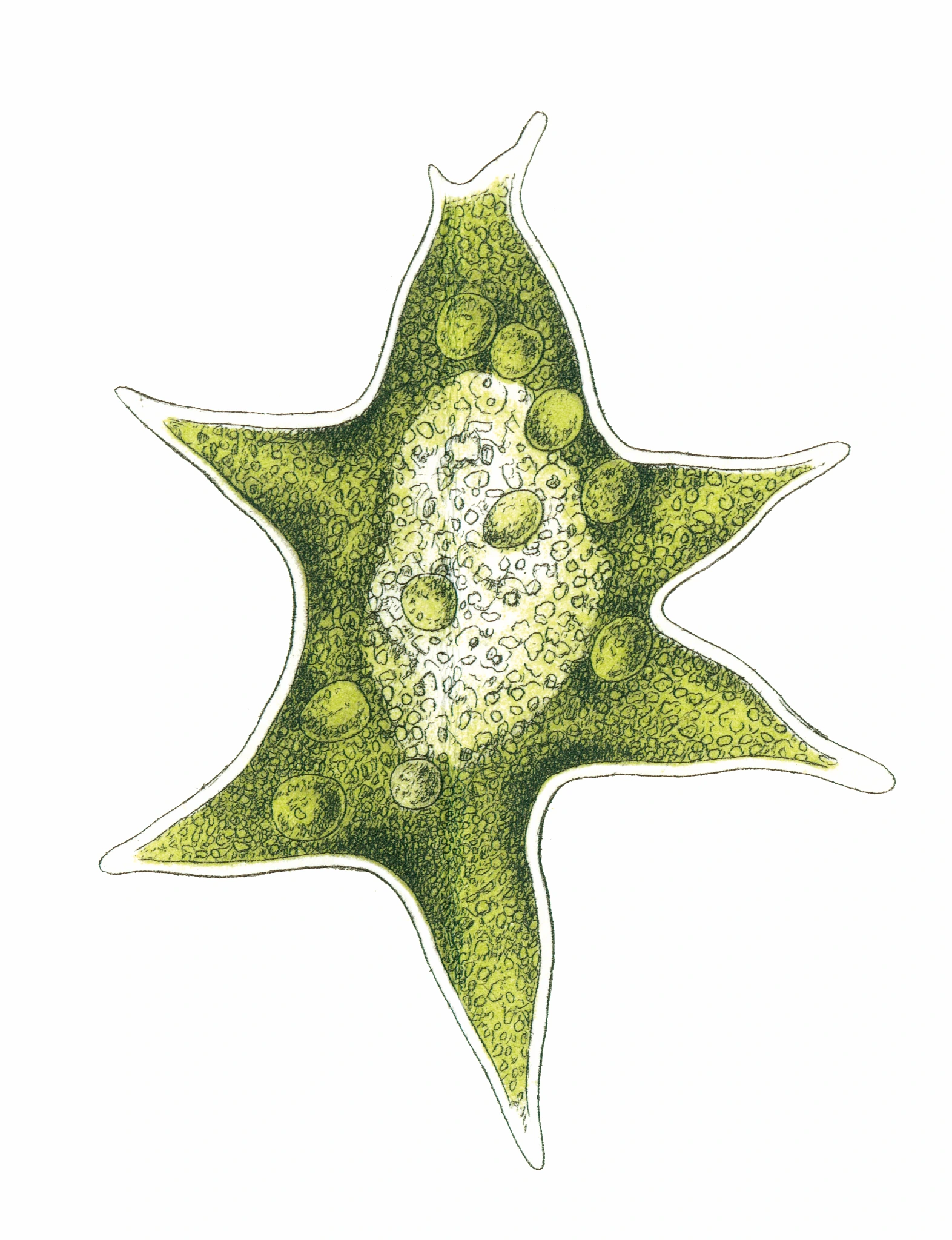
The remarkable cellular organisation of Hydrodictyon allowed Pringsheim to investigate how plant cells grow, divide, and assemble into larger structures.
These studies contributed to an experimental understanding of development and showed how cellular processes give rise to complex biological form.
Key Contributions
Pringsheim’s work joined microscopic observation with experimentation and helped redefine the study of plant life.
01
Pringsheim demonstrated that algae undergo genuine sexual processes and provided direct evidence of fertilization in living material.
02
His studies helped clarify how sexual and asexual generations alternate in algae, mosses, and related organisms.
03
By combining microscopy, cultivation, comparison, and controlled observation, he helped move botany beyond description toward laboratory science.
Legacy
From microscopic algae to fundamental biological principles, Pringsheim showed that the smallest organisms can reveal the deepest mechanisms of life.
His research placed reproduction, development, and cellular change at the centre of botanical investigation.